dohom@sanly.tm
75 D.Azady Street, Turkmenbashi

About the marine secondary vocational school

Marine secondary vocational school is a state institution. It subordinates to the State Service of Maritime and River Transportation of Turkmenistan. The school operates on the self-supporting basis.

Under the auspices of the State Service of Maritime and River Transportation of Turkmenistan specialists are trained in related and other fields of national economy at the marine secondary Vocational School.

Read more

News

All news
Card image cap
Oct 28 2026
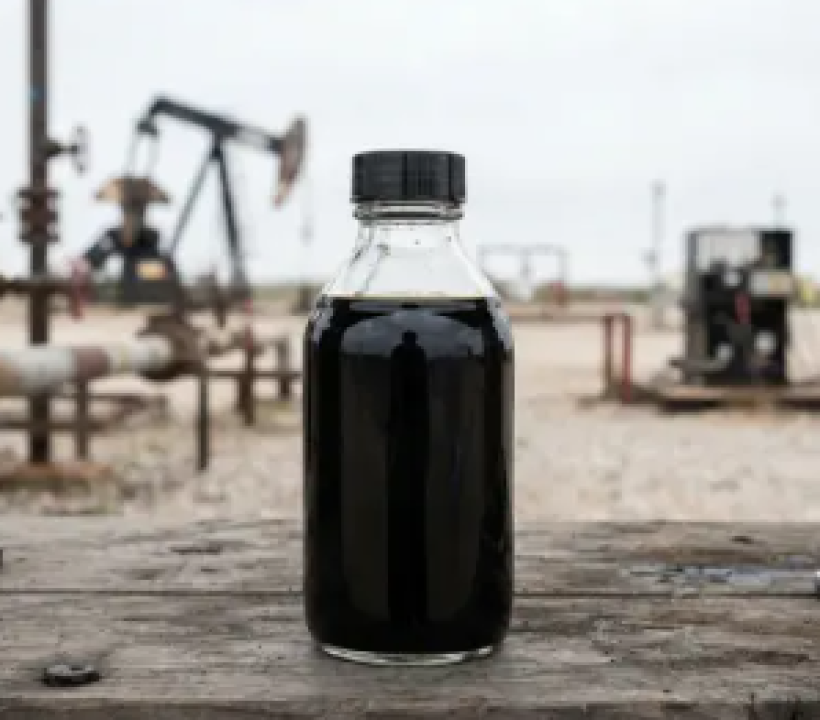
Cheleken oil workers exceeded production targets by 35 thousand tons

Since the beginning of 2026, the “Galkynyshneft” Oil and Gas Production Directorate of the “Turkmennebit” State Concern has extracted over 402,1 thousand tons of oil from active wells, against a target of 367,1 thousand tons. Consequently, the production plan has been fulfilled by 109,5%. The directorate carries out operations at fields on the Cheleken Peninsula, along the Caspian Sea coast. Currently, the company’s specialists are working intensively to bring two new oil wells—recently handed over by the drilling teams—into industrial operation. This is reported by the newspaper “Neft i Gaz” (Oil and Gas).

Card image cap
Oct 27 2026
A creative meeting was held at TSU on the occasion of the 120th anniversary of the birth of Nurmurat Sarykhanov.

In honor of the 120th anniversary of the birth of Professor Nurmyrat Sarykhanov, a creative meeting entitled "Remembering Yagshy..." was held at Magtymguly Turkmen State University, with the aim of promoting the poet's creativity and about Doctor of Technical Sciences, Professor, winner of the Magtymguly International Prize Amandurdy Handurdyyev, who played the main character in the eponymous film based on the writer's work "Shukur Bagshi". This was reported on the official website of the university. The meeting was attended by scientists, researchers of the Magtymguly Institute of Language, Literature and National Manuscripts of the Academy of Sciences of Turkmenistan, professors, teachers and students of the university. At the meeting, students of the Faculty of Turkmen Language and Literature performed a literary and musical composition based on the story "Shukur Baghsy" by Nurmyrat Sarykhanov. Likewise, there were speeches about the creative mastery of Nurmyrat Sarykhanov, the manuscripts of his works, and the happy memory of Amandurdy Handurdyev, Doctor of Technical Sciences, Professor, winner of the Magtymguly International Prize, who worked as a teacher at the Magtymguly Turkmen State University for many years, who played the main character in the eponymous film based on the work "Shukur Baghsy", was commemorated. During the creative meeting, students of the Faculty of Turkmen Language and Literature presented an artistic reading entitled "Ballad about the Sun." A dutar player from the university's "Voices of Bagtyyarlyk" cultural center performed a wonderful piece from the film "Shukur Baghsy." 

Card image cap
Oct 23 2026
"Turkmennebit" announced conditions for investors in the development of the Turkmen part of the Caspian Sea

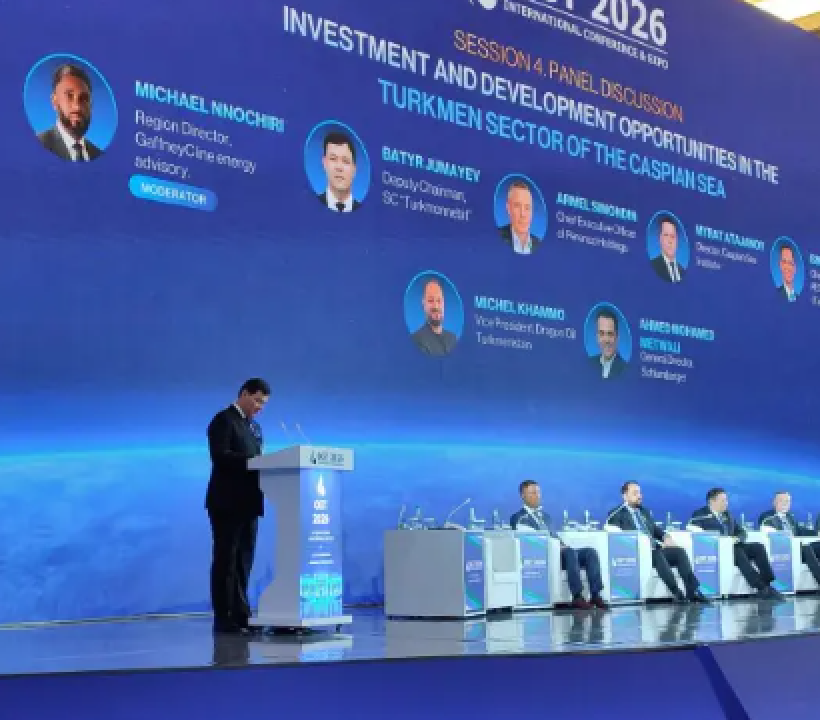
The Turkmennebit State Concern provided information on the conditions for foreign companies to participate in the development of the Turkmen sector of the Caspian Sea. Batyr Jumayev, Deputy Chairman of the Concern, spoke about this at the 31st International Conference and Exhibition "Oil and Gas of Turkmenistan" (OGT 2026) in Ashgabat. According to him, the development of hydrocarbon resources in the national sector of the Caspian Sea remains one of the priority areas for attracting investment in the country's oil sector. Cooperation with foreign companies in this area is carried out on the basis of the Law of Turkmenistan "On Hydrocarbon Resources". This law guarantees the rights of foreign investors in conducting oil operations and concluding production sharing agreements. The Turkmen part of the Caspian Sea is divided into more than 30 license areas. An interested investor can submit an official application to the Turkmennebit State Concern for one or more areas. After considering the application, if the concern's specialists confirm that the company meets the established requirements, it is invited to participate in direct, non-exclusive negotiations on the selected area. Upon successful completion of the negotiations, the parties conclude a production sharing agreement or another agreement provided for by law. In addition to the production sharing agreement, the law allows for the conclusion of a concession agreement with royalty and tax payment terms, a joint venture agreement, and a risky services agreement. Batyr Jumayev explained that the legislation allows for the harmonization of different types of these agreements, as well as the use of other agreements used in international practice. He highlighted a number of guarantees created for investors. "First of all, this is a simplified preferential tax system, which provides for only one type of tax - profit tax and two or three types of payments for the right to use natural resources," the deputy head of the concern noted. At the same time, investors are exempt from other mandatory payments, fees and duties. Agreements concluded on the supply of imported and exported goods, materials and equipment for the conduct of Petroleum Operations are not required to be registered with the State Commodity and Raw Materials Exchange of Turkmenistan. A Contractor shall be exempt from customs duties and fees levied upon the import or export of equipment and materials, including duties related to the amount of extracted hydrocarbons attributable to it. These benefits shall also apply to subcontractors. In addition, the investor may freely dispose of the portion of hydrocarbons attributable to it. In addition, it shall have the right to process oil at oil refineries without additional taxes, licenses and permits. According to Batyr Jumayev, the concern cooperates with Dragon Oil, Petronas and ADNOC under production sharing agreements in the offshore sector. In June 2026, a production sharing agreement for blocks 19 and 20 was signed by the Turkmennebit State Concern, the Malaysian Petronas Carigali (Turkmenistan) Sdn. Bhd. company and the Hazarnebit State Enterprise. In addition, geological exploration work has begun in accordance with the agreement between Petronas Carigali and the Turkmennebit State Concern. Currently, two-dimensional (2D) seismic surveys are being conducted in blocks 11, 12, 13 and 14. According to the speaker, these steps confirm Turkmenistan's commitment to the "open door" policy and the country's attractiveness for investment. In conclusion, Batyr Jumayev said that the Turkmennebit State Concern is always ready to negotiate with international companies "on the basis of equality and mutual benefit."

604

Student

40

Instructor

13

Department

Announcements

All announcements
Card image cap
May 23 2026
May the destinations be clear, the roads be clear!

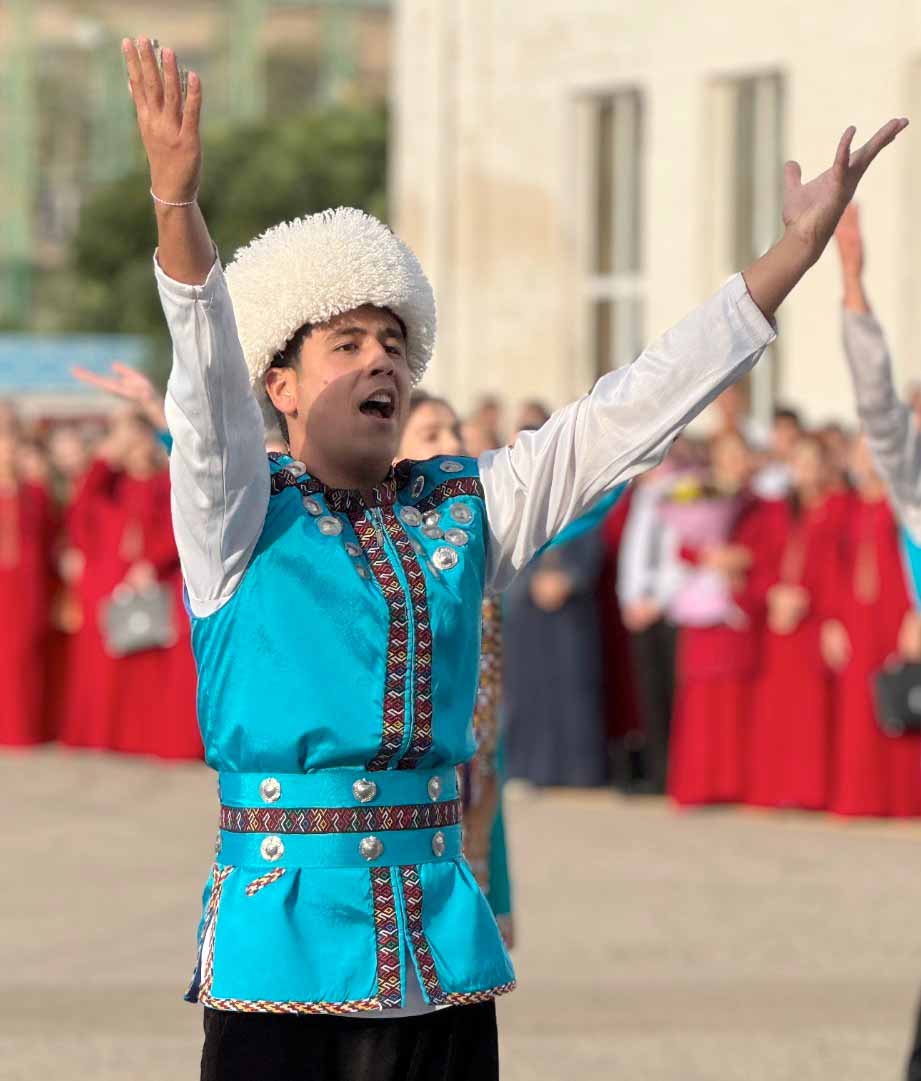
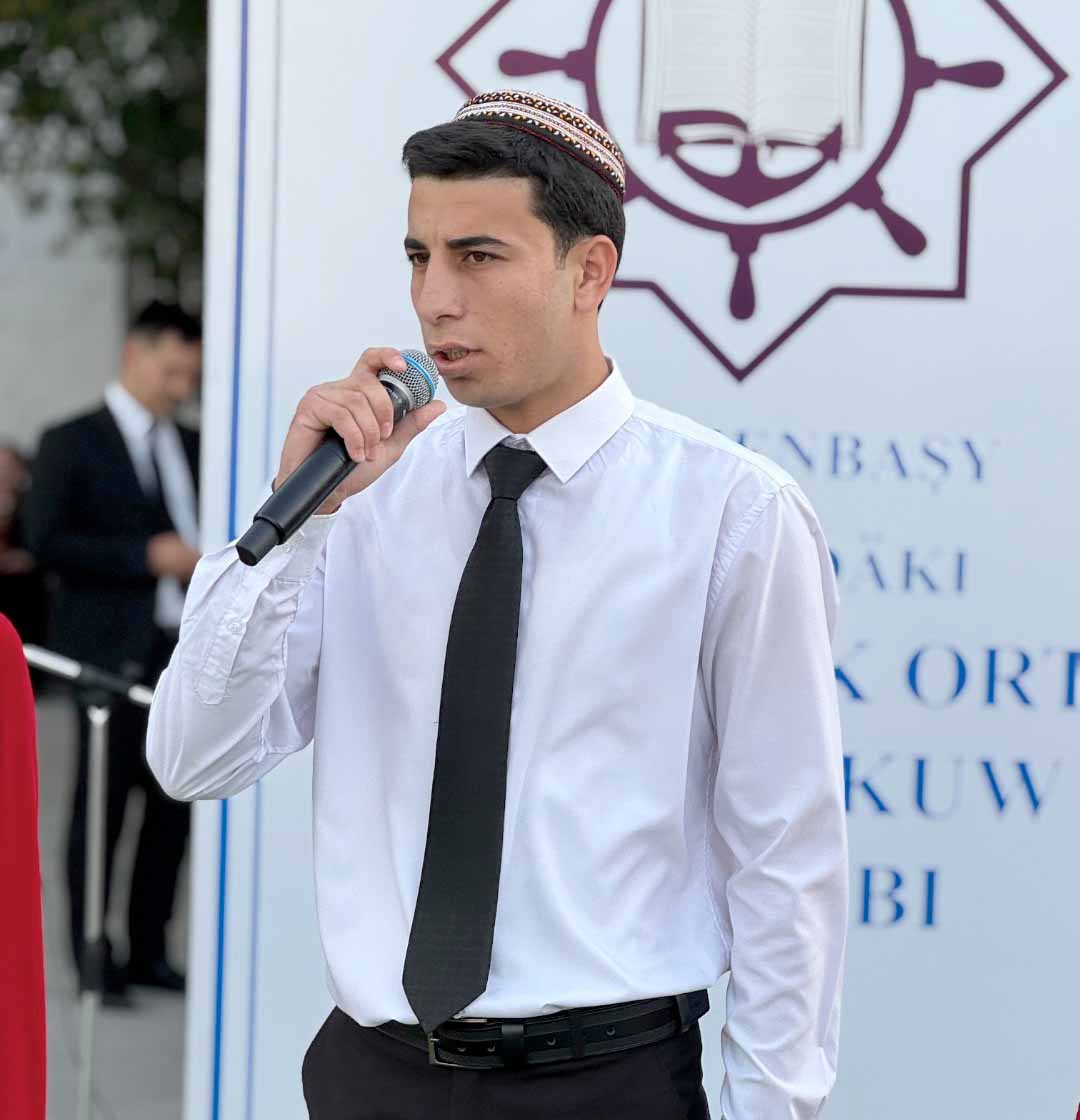
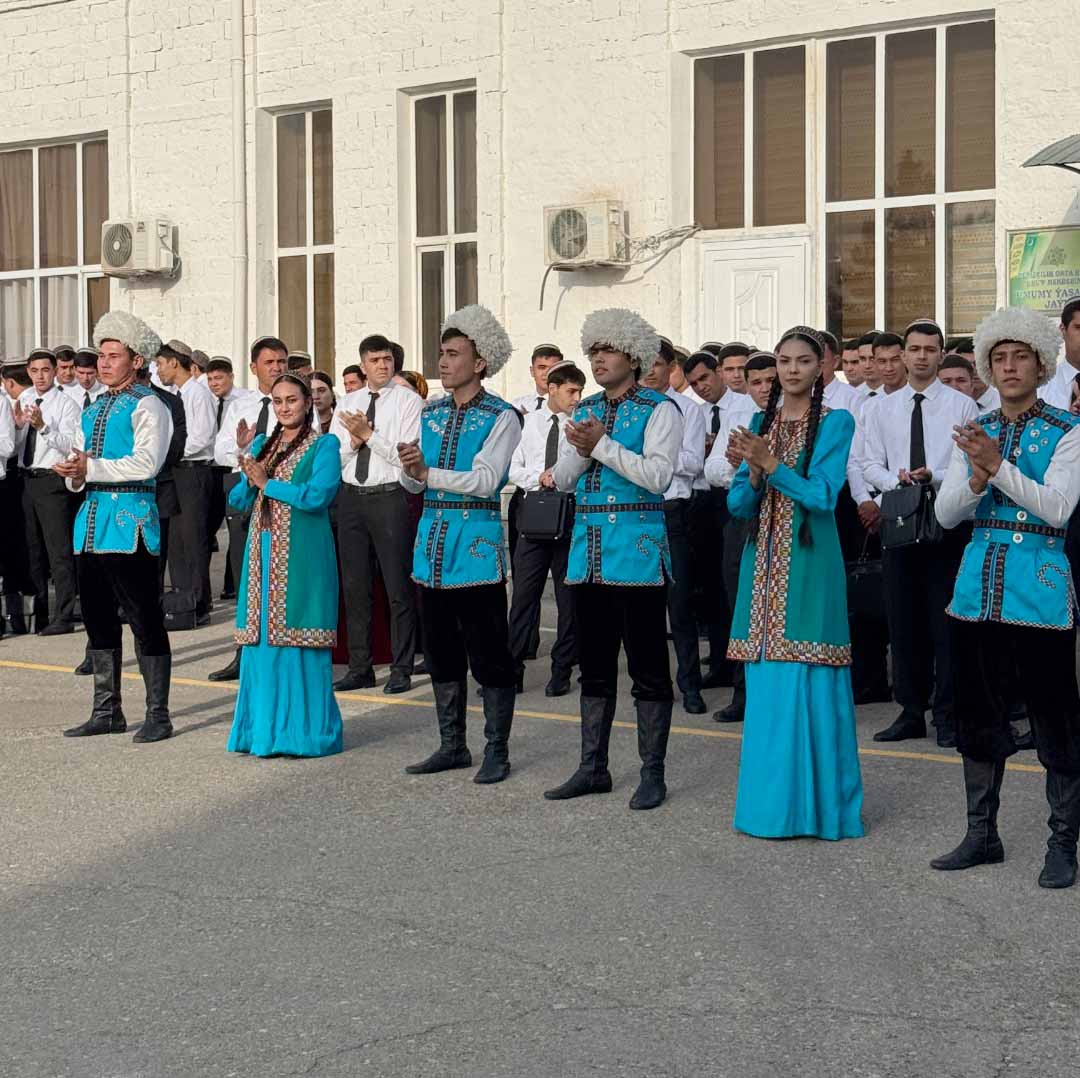
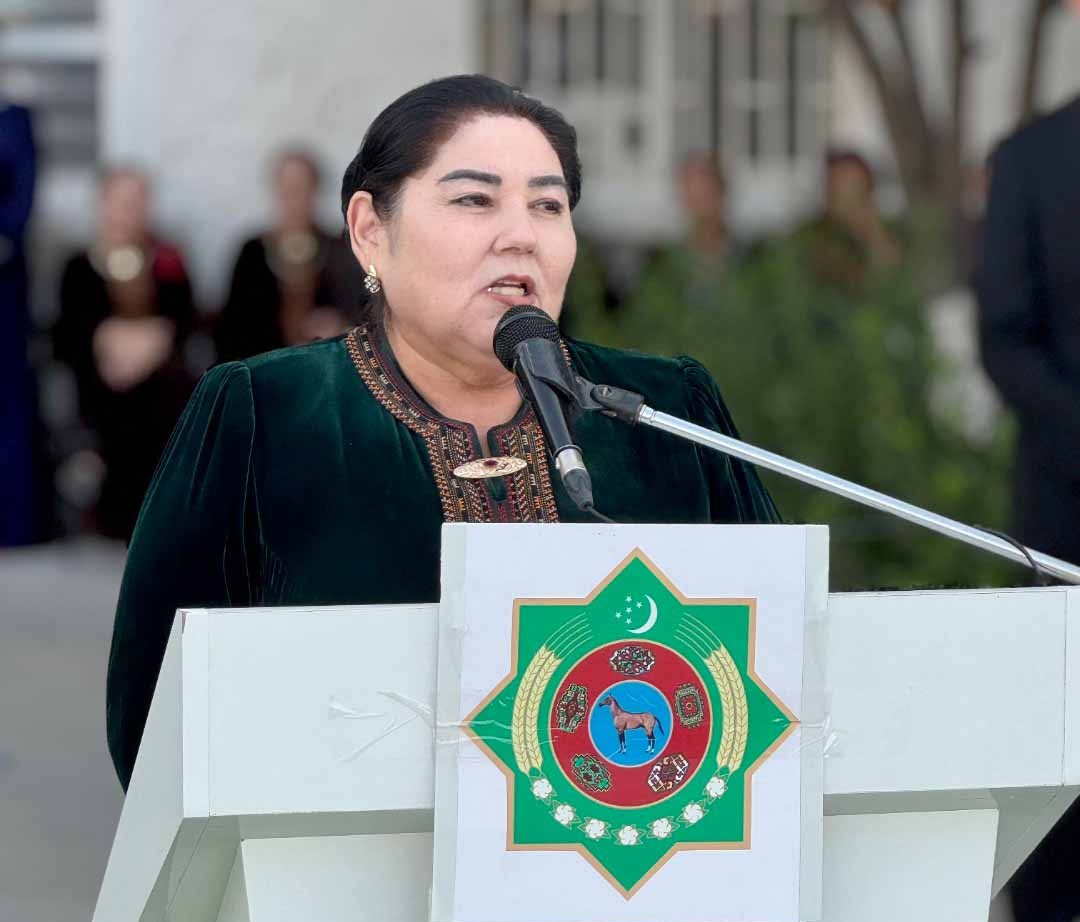
On these solemn days, in accordance with the lofty spirit of the Renaissance of the new era of the sovereign state, the ceremony of sending off graduates to the professional world was held with great enthusiasm at the Maritime Secondary Vocational School of the State Service of Maritime and River Transportation of Turkmenistan in the city of Turkmenbashi. The event held at this school, one of the most prominent educational institutions of the Blue City, became one of the most memorable historical days in the lives of young people. The ceremony began in a solemn and noisy atmosphere, the school yard was decorated with festive decorations, songs and congratulatory words were heard from above. The ceremony was attended not only by graduates and teachers, but also by the parents of students. The graduates, standing in line in their white and blue naval uniforms, demonstrated their loyalty to the Motherland, the people and their chosen profession. The heads of the educational institution and mentor teachers who spoke at the event proudly noted that the young specialists have become owners of a very responsible and courageous profession. The young people were given:

Card image cap
Apr 20 2026
Preaching and exhortation work was carried out.

In the year "Independent, Permanently Neutral Turkmenistan - Homeland of Purposeful Heavenly Horses"titled extensive efforts are being carried out in our country, based on the guidance and valuable advice of the National Leader of the Turkmen people, Chairman of the Halk Maslahaty of Turkmenistan, Hero Arkadag, as well as Hero Serdar, to ensure the harmonious development of youth and to further strengthen their role in society. In this regard, in order to successfully implement the set objectives and to widely promote among young people the principles of Turkmen statehood, national identity, traditions and customs, a healthy lifestyle, and family values, an awareness-raising and educational meeting was held by the Women’s Organization of Turkmenbashi city. The event took place with the participation of female students of the Maritime Secondary Vocational School in Turkmenbashi.

Card image cap
Apr 02 2026
April Health Spirit: An Enthusiastic Sports Celebration of Students in Avaza

Today, the "Avaza" National Tourist Zone hosted a vibrant sports event organized by our vocational school to celebrate the Month of Health. The event was highlighted by the extraordinary enthusiasm and immense pride of our students. The day began with mass physical exercises along the fresh Caspian shore. Students, alongside their teachers, performed modern fitness routines with great energy and joy. Their active participation and radiant smiles reflected their commitment to a healthy lifestyle and pride in their school. The highlight of the event was the cycling marathon through the scenic paths of Avaza. The students participated with great passion, turning the ride into a celebration of unity and youth. This event was not just about sports; it was a manifestation of the students' bright spirit and their confidence in a healthy future. We are sincerely grateful to our national leadership for providing such world-class facilities and a happy life for the youth.

Articles

All articles
Card image cap
Oct 26 2026
Turkmenistan’s Diversified Economy and Its Role in the Development of Social Protection for the Population

Over the 35 years of independence, Turkmenistan has strengthened its position among countries experiencing rapid economic growth and successfully integrating into the global economy. The main objective of the reforms implemented in the country is to overcome the economy’s dependence on raw materials, advance market-oriented reforms, use natural resources efficiently, and create favourable conditions for people’s lives, health, and safety. These objectives are clearly reflected in the fundamental principle of the country’s state policy: “The State is for the People!” Throughout this historical period, the consistent implementation of a strategic development policy focused on industrial growth and innovation has played a major role in ensuring the country’s economic independence. Support for infrastructure development, a strong commitment to achieving the Sustainable Development Goals, and the implementation of the objectives outlined in the National Programme for the Socio-Economic Development of Turkmenistan for 2011–2030 and the Programme for the Socio-Economic Development of Turkmenistan for 2019–2025 have provided important impetus for improving production efficiency, making rational use of investments, and supporting the non-state sector of the economy. Looking back at the progress achieved, it is particularly important to note that, during the years of independence, Turkmenistan has undergone a significant transformation, moving from a predominantly agricultural economy towards a country with a developed industrial sector. At the initial stage, agriculture accounted for more than 40 per cent of the country’s gross domestic product (GDP), while industry represented approximately 17 per cent. More than 80 per cent of industrial output at that time came from extractive industries. Today, industry accounts for more than 27 per cent of GDP, while agriculture represents approximately 11–12 per cent. At the same time, the structure of agricultural production has changed considerably. While cotton cultivation continues to play an important role, grain production has been restored and further developed, and a foundation has been established for the expansion of livestock farming. These changes have contributed to strengthening the country’s food security.

Card image cap
Oct 23 2026
Turkmenistan’s logistics system

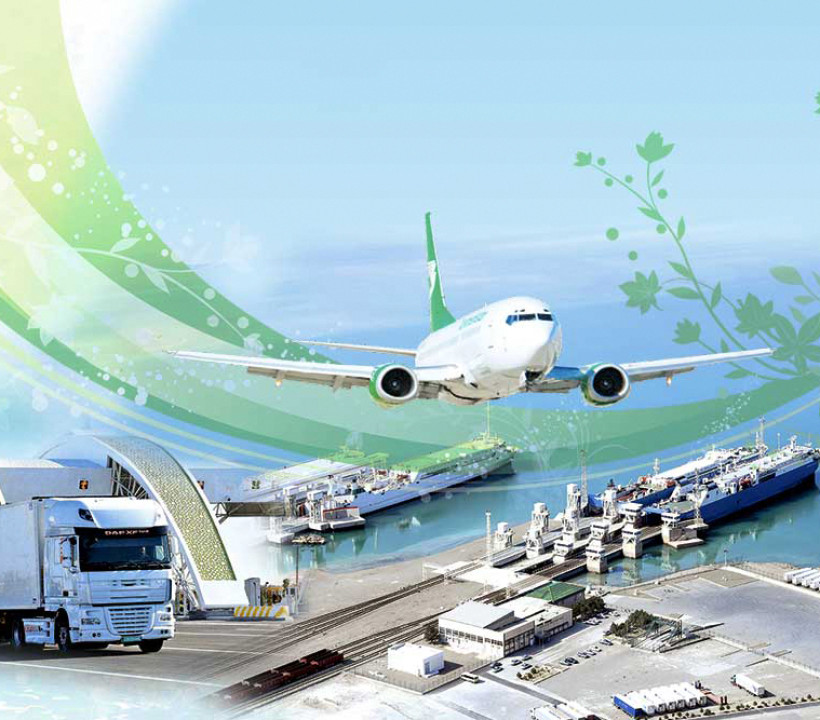
Turkmenistan lies at the heart of Eurasia, between the Caspian Sea and its borders with Iran, Afghanistan, Kazakhstan and Uzbekistan. This position makes the country a natural link in transit routes between East and West and between North and South. In recent years it has been building a multimodal logistics system that unites road, rail, sea and air transport. The centerpiece of this system is the Turkmenbashi International Seaport. It has operated since May 2018 and has focused on stimulating international cooperation in transport and logistics. The new port more than tripled the country’s cargo handling capacity to 25–26 million tons per year. It is the largest cargo and passenger hub on Turkmenistan’s coast. In March 2026, a European Union delegation visited the port, where both sides discussed making effective use of the Trans-Caspian corridor’s potential. The port is a key part of the Caspian Sea–Black Sea corridor. Officials are discussing ways to increase freight traffic through the ports of Turkmenbashi, Baku, Poti, Batumi and Constanta. The Lapis Lazuli Corridor also forms a route from Afghanistan through Turkmenistan, Azerbaijan and Georgia to Turkey. On the railways, the Kazakhstan–Turkmenistan–Iran line, opened in 2014, connects Central Asia with the Persian Gulf. On the roads, highways link the country with Kazakhstan, Iran and Afghanistan, and new high-speed roads are being built toward Uzbekistan and Kazakhstan. In aviation, Ashgabat’s international airport and the new airports in the regions meet international standards. Speaking at the Central Asia + Japan Dialogue Summit, President Serdar Berdimuhamedov presented a strategy to turn the country into a key Eurasian logistics hub. He stressed that new routes should complement existing ones rather than replace them.

Card image cap
Oct 21 2026
The impact of ecosystem stability on human health

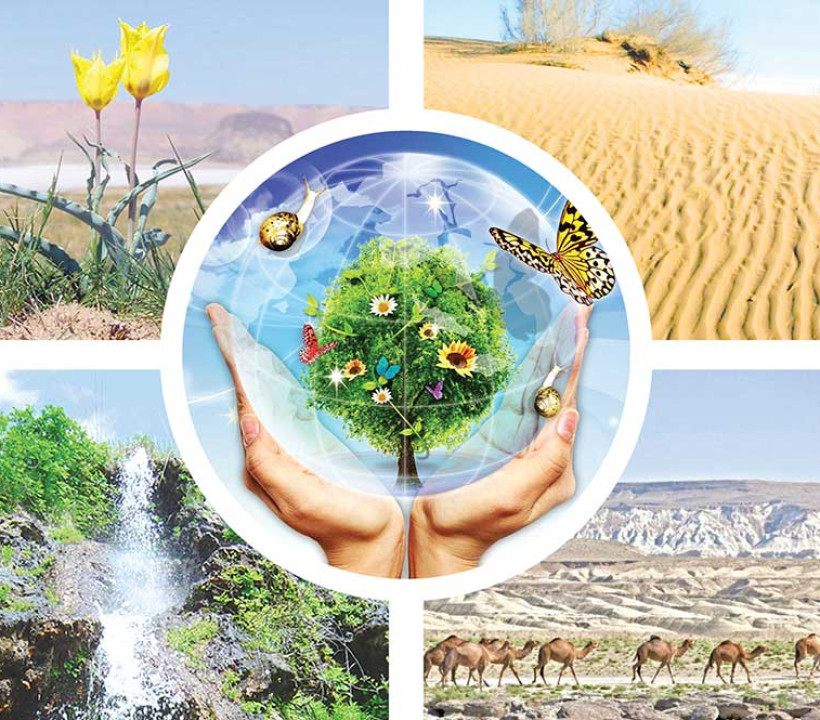
Ecosystem stability refers to nature's ability to maintain its own balance, biodiversity, and purity. Human health is directly dependent on the state of the environment. A stable ecosystem provides humans with essential baseline resources necessary for survival. The connection between humans and nature is profound, and ecosystem stability serves as a guarantee for both physical and mental human health. Clean Air and Water: Forests and plants purify the air by absorbing carbon dioxide and releasing oxygen. Natural water sources and healthy soils filter water, making it safe for drinking. Food Security and Soil Fertility: A stable soil ecosystem and rich biodiversity (such as insect pollinators for crops) ensure abundant and high-quality agricultural yields. Disease Prevention: Maintaining natural balance prevents the overproliferation of infection carriers (such as insects and rodents). The loss of biodiversity increases the risk of new viruses and diseases transferring to humans. Psychological and Mental Health: Natural environments, green spaces, and pristine ecosystems reduce stress levels, normalize blood pressure, and soothe the nervous system. Pharmaceutical Resources: More than 50% of modern medicines are derived from natural plants and biological resources. Richer biodiversity enhances the potential for discovering new lifesaving drugs. Prevention of Zoonotic Infections: Protecting natural habitats maintains crucial boundaries between wildlife and human populations, preventing the spillover of zoonotic viruses to humans. Climate Regulation: Forests and oceans regulate global temperatures. A stable climate protects communities from extreme heatwaves, droughts, and natural disasters. Safeguarding human health relies not only on healthcare systems but is fundamentally connected to protecting the ecosystem and maintaining its stability. A resilient environment is the foundation of a healthy, prosperous society. Preserving ecosystem purity is the most critical step toward securing the well-being of future generations.