dohom@sanly.tm
75 D.Azady Street, Turkmenbashi
Ray of happiness

The most valuable human wealth in the world is health. In our country, where human health is paramount, the state program "Health" is being successfully implemented under the wise leadership of our Hero Arkadag.

Peace, prosperity and creative work of our citizens ensure the prosperity of our country. Currently, a lot of work is being done to protect human health. The complex work carried out in the field of human health protection, achievements, high achievements and set tasks in this area further enhances the prestige of our country in the international arena.

Activities aimed at developing mass physical education and sports in Turkmenistan, strengthening the health of the nation, educating energetic, strong and energetic youth during the period of prosperity of our sovereign state in Turkmenistan. In our country, under the wise leadership of our Hero Arkadag, a large-scale and well-meaning, scientifically grounded large-scale work is being carried out in our country for the healthy and spiritually healthy development of the younger generation, modern education and upbringing. According to the Turkmen leader, special attention is paid to the development of physical culture and sports in the country, as well as improving the health care system. The complex work that is carried out to ensure the sustainable development of these systems is always closely monitored.

The key to good health is cleanliness, regular nutrition, regular exercise and exercise. In this respect, the work done during the period of prosperity of our Sovereign State contributes to progress. There are sports complexes in our country that meet international standards. The construction of special sports grounds near residential complexes under construction and commissioned in all parts of the country once again demonstrates the commitment of our people to a healthy lifestyle in our homeland, which has literally become a sports country. Of course, physical culture and sports, along with strengthening the health of the population, have a great impact on physical development, health, activity, and the development of a person as a person. The habit of physical education primarily contributes to the formation of good qualities in a person. This leads to a person's physical and mental health. Therefore, our country is flourishing in every way.

Sports facilities under construction and commissioned for any kind of sport are inextricably linked with the care of the national leader for the health of our people and are the wonderful fruits of those fundamental reforms that are being carried out in our beloved homeland. In particular, this is a clear sign that our esteemed President has always cared about the health of the people. We are all obliged to follow the example of our hero Arkadag and engage in physical education and sports, make a worthy contribution to the establishment of a healthy life in our society. Human health is the radiance of our happy life, our bright future, the wealth of our country.
Other articles

All articles
Card image cap
Jun 02 2026
Biological Diversity of the Hazar State Nature Reserve

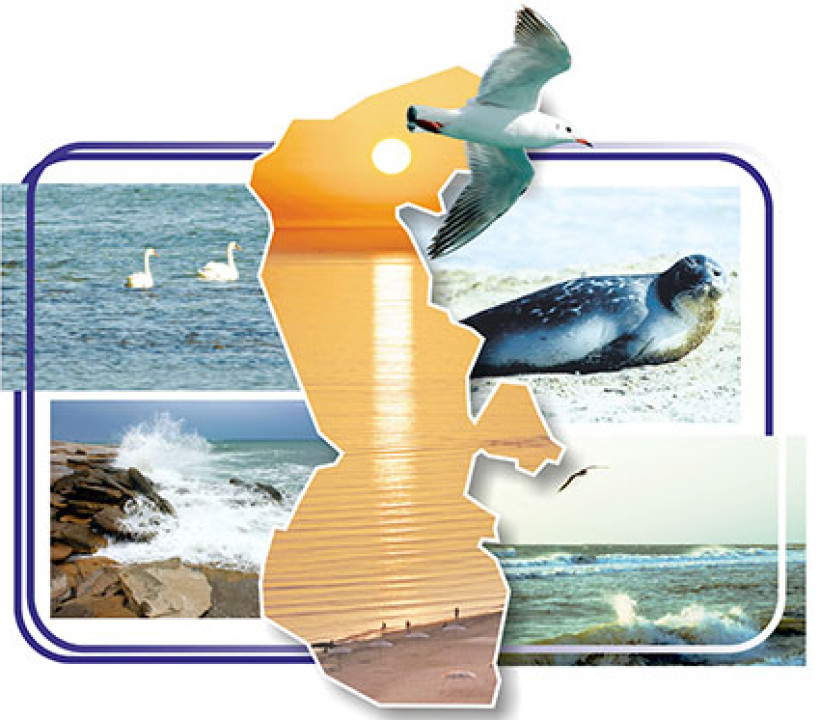
The biological diversity of the Caspian Sea as a whole consists of 1814 species of plants and animals. In the part of the sea belonging to us, there are over 900 species, which are represented by 50 taxonomic units, ranging from single-celled algae to higher plants, and from protozoa (foraminifera, flagellates) to birds and mammals. A significant part of these are endemic, making the Caspian Sea one of the most unique and incomparable water bodies on our planet. The biological diversity of the Hazar State Nature Reserve (HSNR) is distinguished by an abundance of species, as it includes not only marine areas but also certain freshwater bodies and significant areas of land that host rich groups of plants and terrestrial animals. The species composition of these groups is diverse, and many of them are important biological resources. The most numerous class of vertebrate animals in the reserve is birds, consisting of 311 species belonging to 19 orders. The coasts of the part of the sea belonging to us connect the Central Asian and East Asian migration routes, which are considered among the most important in the world. The area of the HSNR is of great importance for the survival of the only representative of the Pinnipedia order, the endemic Caspian seal (Phoca caspica). The biodiversity of the HSNR includes: 429 species of vertebrates, 48 species of fish, 2 species of amphibians, 26 species of reptiles, and 42 species of mammals. Many of them are included in the Red Book of Turkmenistan. The reserve contains 660 species of plants, including about 30 species of lower plants (fungi, mosses, lichens) and 528 species of flowering plants, which include 9 regional endemics and 5 species listed in the Red Book of Turkmenistan. The diversity of flora and fauna in the shallow coastal zone provides a rich food base with a biomass reaching hundreds of thousands of tons, attracting large numbers of migratory and wintering wetland and waterfowl to the Hazar Reserve. Today, in order to preserve the extremely rich biodiversity of the HSNR, it is necessary to create new forms of resource management aimed at providing alternative approaches to the use of natural wealth, either in cooperation with certain groups of the population or with their participation. Organized tours and treks in the habitats of rare and endemic animals can provide local communities with more income than using these animals for commercial purposes. The aesthetic value of many biodiversity objects (animals and plants) is much higher than their market price as food.

Card image cap
Apr 03 2026
Features of organizing catering establishments in vehicles.

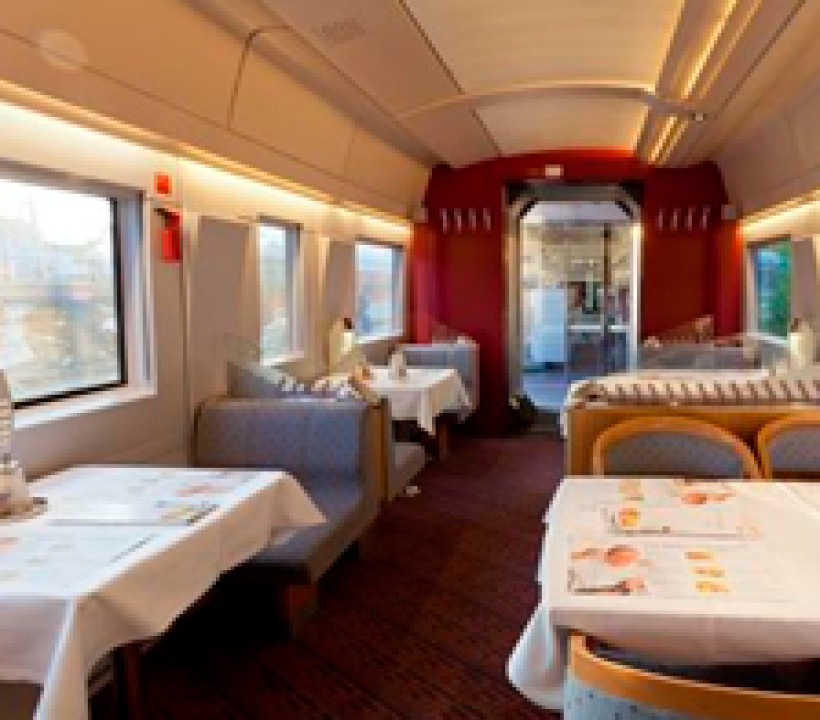
Features of organizing catering establishments in vehicles are multifaceted and are mainly determined by limited space, mobility and high safety requirements. Unlike traditional public catering establishments, designing a kitchen section on ships, trains and airplanes requires a thorough engineering and technological approach. First of all, every square meter of space here should be used economically, since the volume of the vehicle is always limited. Therefore, kitchen equipment should be compact, multifunctional and ergonomic; for example, steam combi steamers or universal kitchen machines that perform several functions are widely used. Also, due to the vibrations and shocks that occur during the movement of the vehicle, all equipment and furniture are fixed to the floor or walls, and special retaining edges are installed on the shelves to prevent dishes from falling out. The organization of catering establishments in trains and the introduction of innovative technologies into them allow us to raise the quality of passenger service to a new level in the modern railway system. The main feature in this area is to achieve maximum efficiency in a narrow and long carriage. In the design of dining cars, the principle of "safety and stability" is put forward first. Due to the constant vibration of the train and the vibrations during braking, kitchen equipment - plates, refrigerators and work tables - are not only made of steel, but also firmly attached to the body of the car. Magnetic holders and special removable retaining edges are used to prevent kitchen utensils and finished products from moving. Also, water supply and electricity are limited in trains, so advanced energy-saving and water-recycling systems must be installed. The introduction of innovative technologies not only improves the quality of food, but also increases the speed of service. Currently, "Cook & Chill" technology is widely used in world practice. In this method, food is prepared on the spot, in specialized large kitchens, cooled in shock mode and loaded into cars. Inside the carriage, innovative "Sous-vide" or high-speed induction ovens heat food in a short time without losing its vitamins and taste. Digital technologies are also actively entering this sector: passengers can now view the menu from their seats using mobile applications or QR codes and order online. This reduces congestion in the restaurant carriage and automates the work of waiters. Also, within the framework of ecological innovations, biocompactors that recycle food waste and biodegradable (quickly dissolve in nature) containers that are used instead of plastic containers are being introduced. Smart refrigeration systems digitally monitor the shelf life of products and prevent waste. All this turns food in rail transport not only into a physical necessity, but also into a digital and ecologically clean high-quality service. The organization of technological processes also varies depending on the type of vehicle and the duration of the trip. While large passenger ships have a full production cycle, airplanes and short-haul trains mainly use the catering method. This makes the storage and logistics of food products even more difficult. On long-haul voyages, special refrigeration chambers and storage compartments are used to maintain the quality of products, where it is necessary to constantly monitor the temperature and humidity. Food stocks must be accurately calculated before departure, depending on the number of passengers and their duration, since the possibility of additional supplies during the voyage is limited. Sanitary and epidemiological safety is the most important aspect of transport catering enterprises. The occurrence of any infectious disease or poisoning in a closed and confined space can pose a great threat to the health of the crew and passengers, and even the operation of the vehicle. Therefore, specialized filters are used for water supply, and pressurization and disinfection systems are used to collect and dispose of food waste. In maritime transport, waste management is strictly regulated in accordance with the requirements of international conventions such as MARPOL. Fire safety is also a particular focus, and the use of open fire in cramped kitchens is avoided, and preference is given mainly to electric or induction hobs. As a result, the organization of food service in transport vehicles is not only about preparing food, but also about ensuring the harmonious functioning of logistics, engineering solutions and service culture in limited conditions. The diversity of the menu, the nutritional value of food and the speed of service, which directly affect the psychological state and comfort of passengers, are the main factors determining the competitiveness and reputation of the transport company. In this system, every detail - from product storage to waste disposal - must comply with international standards and safety regulations.