dohom@sanly.tm
75 D.Azady Street, Turkmenbashi
Great opportunity

In the Year of International Peace and Confidence, on the eve of the 34th anniversary of Turkmenistan’s Independence, the Turkmenistan Investment Forum (TIF 2025) was held in the Avaza National Tourist Zone on September 18 and 19, 2025. This major event brought together more than 800 foreign and local representatives to discuss the country’s investment opportunities. President of Turkmenistan Serdar Berdimuhamedow congratulated the forum participants on this occasion. "I firmly believe that this event in Avaza will contribute to the industrialization and socio-economic development of regions during the period of the Revival of the new era of the sovereign state, the introduction of modern technologies in sectors, the active implementation of the digital economy concept, and the attraction of investment," the head of state noted in his congratulatory message. The forum began with a plenary session entitled "Investment attractiveness of Turkmenistan as a factor ensuring strategic efficiency." The moderator of the session was Dmitry Shlapachenko, UN Resident Coordinator in Turkmenistan. Keynote speeches were delivered by prominent experts from around the world. Among them were Beatrice Luce Maser Mallor, Executive Director of the World Bank, and Rabab Fatima, Under-Secretary-General of the UN, who participated online. Speaking via videoconference to the participants of the Investment Forum in Avaza, UN Under-Secretary-General Rabab Fatima highly appreciated Turkmenistan's leading position in promoting the interests of landlocked developing countries and presented new UN initiatives aimed at attracting investment. The forum participants will have the opportunity to get acquainted with the latest economic reforms and initiatives, establish direct contacts with state and private enterprises of Turkmenistan, and develop specific investment It provided a wide opportunity to discuss projects and identify new directions for cooperation. The forum program included strategic panel discussions, presentations of investment projects, B2B and B2G meetings, master classes and cultural events. Within the framework of the Investment Forum of Turkmenistan (TIF-2025), which was held in the Avaza National Tourist Zone, a number of important documents were signed aimed at strengthening strategic agreements in various sectors of the economy. These agreements demonstrated the broad economic interests of Turkmenistan and its readiness to deepen international cooperation.

Atagurbanova A.N.

Teacher Maritime secondary vocational school of the city of Turkmenbashi
Other articles

All articles
Card image cap
Apr 03 2026
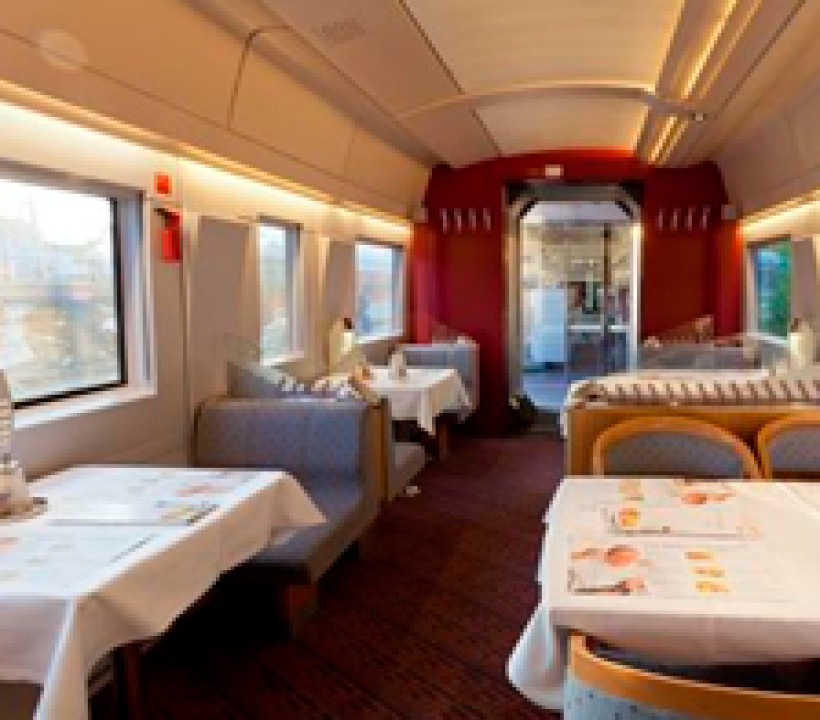
Features of organizing catering establishments in vehicles.

Features of organizing catering establishments in vehicles are multifaceted and are mainly determined by limited space, mobility and high safety requirements. Unlike traditional public catering establishments, designing a kitchen section on ships, trains and airplanes requires a thorough engineering and technological approach. First of all, every square meter of space here should be used economically, since the volume of the vehicle is always limited. Therefore, kitchen equipment should be compact, multifunctional and ergonomic; for example, steam combi steamers or universal kitchen machines that perform several functions are widely used. Also, due to the vibrations and shocks that occur during the movement of the vehicle, all equipment and furniture are fixed to the floor or walls, and special retaining edges are installed on the shelves to prevent dishes from falling out. The organization of catering establishments in trains and the introduction of innovative technologies into them allow us to raise the quality of passenger service to a new level in the modern railway system. The main feature in this area is to achieve maximum efficiency in a narrow and long carriage. In the design of dining cars, the principle of "safety and stability" is put forward first. Due to the constant vibration of the train and the vibrations during braking, kitchen equipment - plates, refrigerators and work tables - are not only made of steel, but also firmly attached to the body of the car. Magnetic holders and special removable retaining edges are used to prevent kitchen utensils and finished products from moving. Also, water supply and electricity are limited in trains, so advanced energy-saving and water-recycling systems must be installed. The introduction of innovative technologies not only improves the quality of food, but also increases the speed of service. Currently, "Cook & Chill" technology is widely used in world practice. In this method, food is prepared on the spot, in specialized large kitchens, cooled in shock mode and loaded into cars. Inside the carriage, innovative "Sous-vide" or high-speed induction ovens heat food in a short time without losing its vitamins and taste. Digital technologies are also actively entering this sector: passengers can now view the menu from their seats using mobile applications or QR codes and order online. This reduces congestion in the restaurant carriage and automates the work of waiters. Also, within the framework of ecological innovations, biocompactors that recycle food waste and biodegradable (quickly dissolve in nature) containers that are used instead of plastic containers are being introduced. Smart refrigeration systems digitally monitor the shelf life of products and prevent waste. All this turns food in rail transport not only into a physical necessity, but also into a digital and ecologically clean high-quality service. The organization of technological processes also varies depending on the type of vehicle and the duration of the trip. While large passenger ships have a full production cycle, airplanes and short-haul trains mainly use the catering method. This makes the storage and logistics of food products even more difficult. On long-haul voyages, special refrigeration chambers and storage compartments are used to maintain the quality of products, where it is necessary to constantly monitor the temperature and humidity. Food stocks must be accurately calculated before departure, depending on the number of passengers and their duration, since the possibility of additional supplies during the voyage is limited. Sanitary and epidemiological safety is the most important aspect of transport catering enterprises. The occurrence of any infectious disease or poisoning in a closed and confined space can pose a great threat to the health of the crew and passengers, and even the operation of the vehicle. Therefore, specialized filters are used for water supply, and pressurization and disinfection systems are used to collect and dispose of food waste. In maritime transport, waste management is strictly regulated in accordance with the requirements of international conventions such as MARPOL. Fire safety is also a particular focus, and the use of open fire in cramped kitchens is avoided, and preference is given mainly to electric or induction hobs. As a result, the organization of food service in transport vehicles is not only about preparing food, but also about ensuring the harmonious functioning of logistics, engineering solutions and service culture in limited conditions. The diversity of the menu, the nutritional value of food and the speed of service, which directly affect the psychological state and comfort of passengers, are the main factors determining the competitiveness and reputation of the transport company. In this system, every detail - from product storage to waste disposal - must comply with international standards and safety regulations.

Card image cap
Mar 30 2026
A digital education system – the requirements of the era

During the revival of a new era in the state, extensive work is underway to comprehensively develop the education system. As a result, the content and quality of education provided to the younger generation in all educational institutions, including secondary schools, is constantly improving. Thanks to the conditions created by our esteemed President, the use of new technologies in educational institutions that meet international standards, the introduction of the latest scientific achievements and innovative teaching methods into the education system ensure a high level of educational quality. The digital education system plays a special role in providing world-class education and training to young people. The adoption of the "Concept for the Development of a Digital Education System in Turkmenistan" allows us to achieve even greater results in this area. As is well known, our Independent, Permanently Neutral State of Turkmenistan has achieved success in the political, economic, and cultural spheres and enjoys a high reputation internationally. Undoubtedly, the development of our society based on universal human values ​​and the creation of modern conditions for young people to receive a quality education opens up new opportunities and approaches. This is of paramount importance for the development of an educated generation that makes a worthy contribution to the political, economic, and cultural development of the country and is aware of the achievements of global science. Thus, the development of the country's education system is closely linked to a complete transition to a digital education system based on best international practices, combined with innovative teaching methods and the widespread implementation of information and communication technologies at all stages of education. The "Concept for the Development of a Digital Education System in Turkmenistan" defines the main directions for the development of the digital education system in the country. The main objectives of the Concept are to create a unified educational network between educational institutions, enrich educational content for young people, improve its quality, and utilize new distance learning technologies in educational activities. At the same time, this document provides for the creation and dissemination of technological innovations, technological support for the development of educational institutions, as well as the creation of necessary electronic information resources for all levels of education and ensuring access to them online. Currently, information and communication technologies are being widely implemented in educational institutions. The increased use of these technologies contributes to improving the quality of education and the continuous strengthening of knowledge transfer. The introduction of e-learning in educational institutions and the use of distance learning technologies are ushering in a new stage of development. The implementation of this concept creates broad opportunities for providing educational institutions with high-speed broadband network communications and high-quality educational services. It should be emphasized that distance learning, currently one of the modern educational methods, contributes to the enhancement of citizens' knowledge and skills. This, in turn, plays a significant role in shaping individuals adapted to life in a digital information society. A digital education system is a requirement of the times. "Digital technologies will be widely used in education, distance learning, and information exchange will be implemented," emphasizes Serdar Arkadagly. Ensuring a high level of national education, based on the effective use of scientific and technological advances and advanced global practices, is a prerequisite for the comprehensive development of our country and the strengthening of its position among the world's leading economic nations. Another way to provide technical support in digital education systems is through the organization of institutional support programs. Within these programs, experts and teachers can assist users in resolving their technical issues. The fact that experts perform their work for a fee allows users to receive answers to their questions more quickly and efficiently. It's worth noting that with the development of digital education systems, some systems and new capabilities being created in this field are improving daily. For example, machine learning, artificial intelligence, and big data analysis are effective ways to enhance user skills. These technologies help users better utilize their capabilities and solve problems quickly and effectively. Providing technical support for digital education systems is important for the expression of information obtained in these systems and for ensuring the personal development of users. Thanks to online platforms, support programs, and new technologies, users can more effectively It's time to learn and gain experience. Broad opportunities are being created for the benefit of the people. As a result, the important features of providing technical support in digital educational systems pave the way for societal development, individual success, and the strengthening of the modern education system. Our esteemed President creates every opportunity for young people to engage in creative work and develop a broad outlook. May our Hero Arkadag live long and prosper, and may his great work for the benefit of the country be blessed with success!